Our Testing Method for a Crash Game in Full
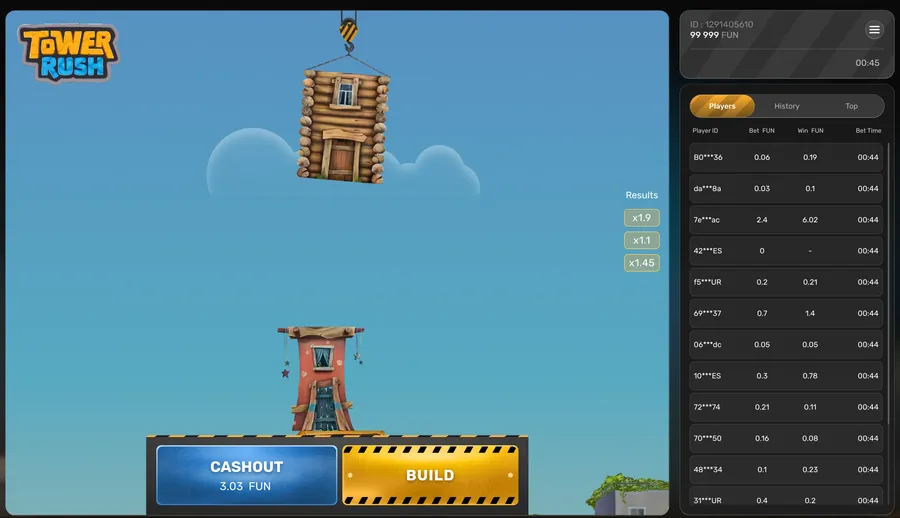
Every verdict on Tower Rush by Galaxsys comes out of this testing method. We load the official free demo, re-check the fairness proof the client exposes, and quote only figures that Galaxsys, an operator or a licence register has printed. The provider band is 96.2% to 97.6%, one recorded cash-out closed at 1.98x, and scores run from 1 to 10. This page walks through the process, including its 2 limits.
- Where testing happens
- The official free demo, every time
- Scoring scale
- 1 to 10, across 5 named criteria
- Evidence accepted
- Recorded session, provider page, licence register
- Sessions on record
- 26 and
- Known limits
- 2, both printed on the page they affect
- Audience
- Adults aged 18 or over
Table of contents
Demo Play Comes First in Our Testing
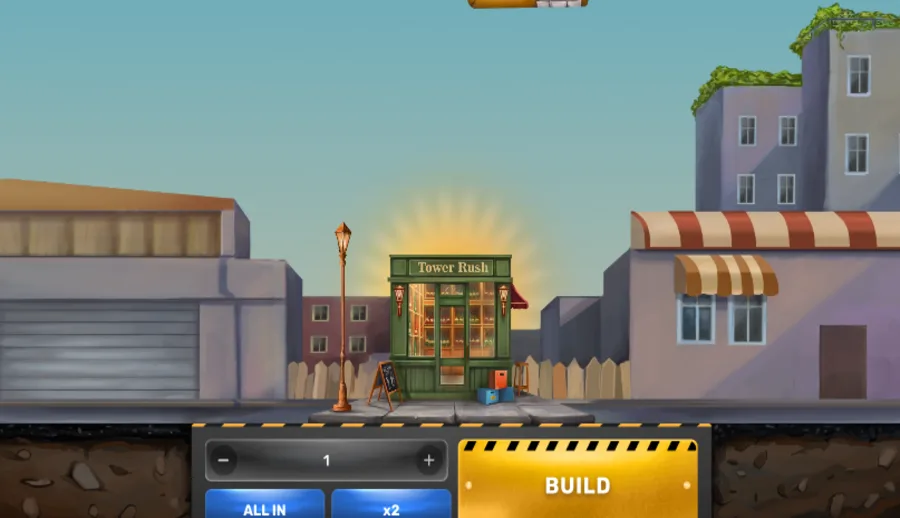
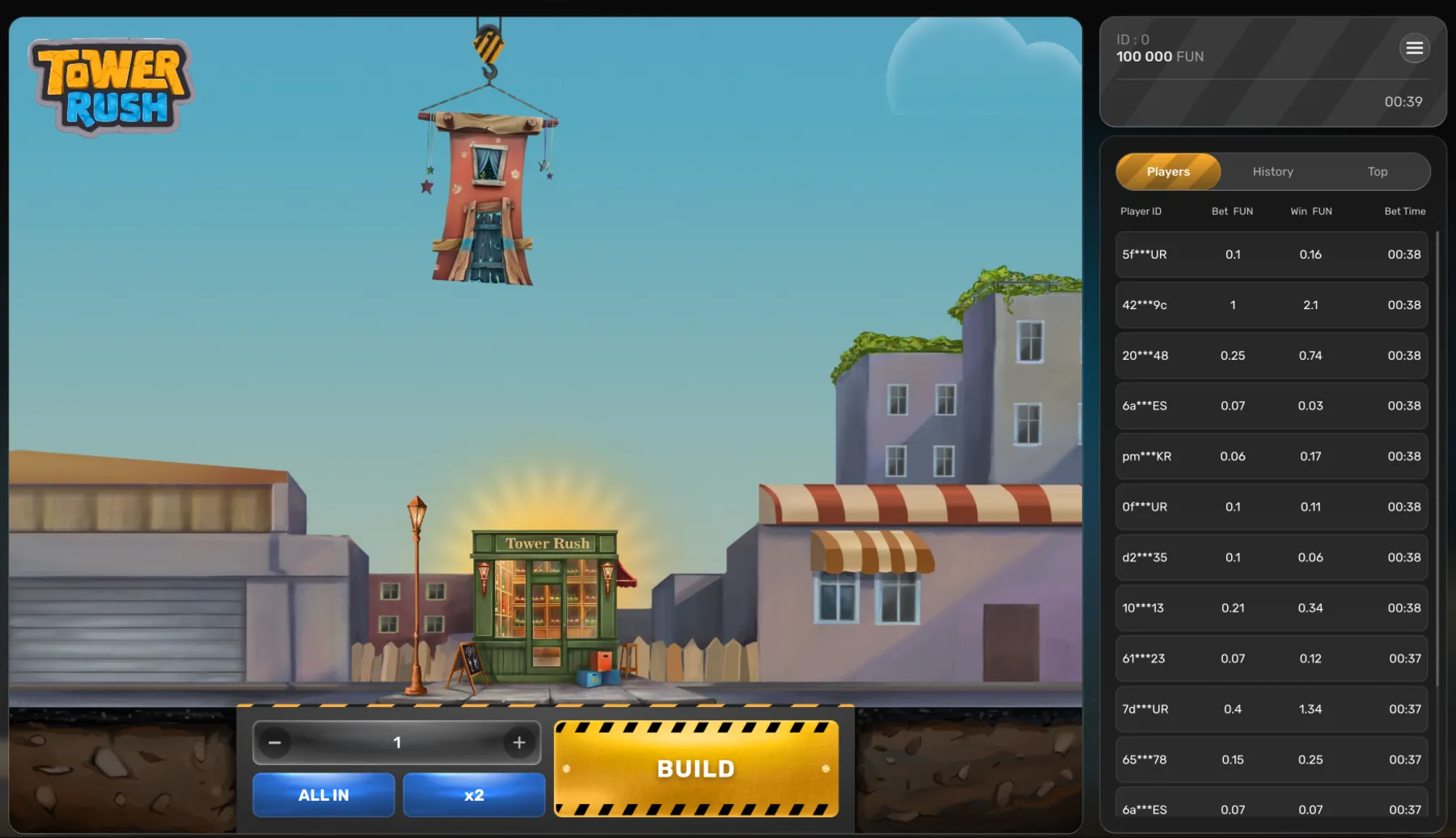
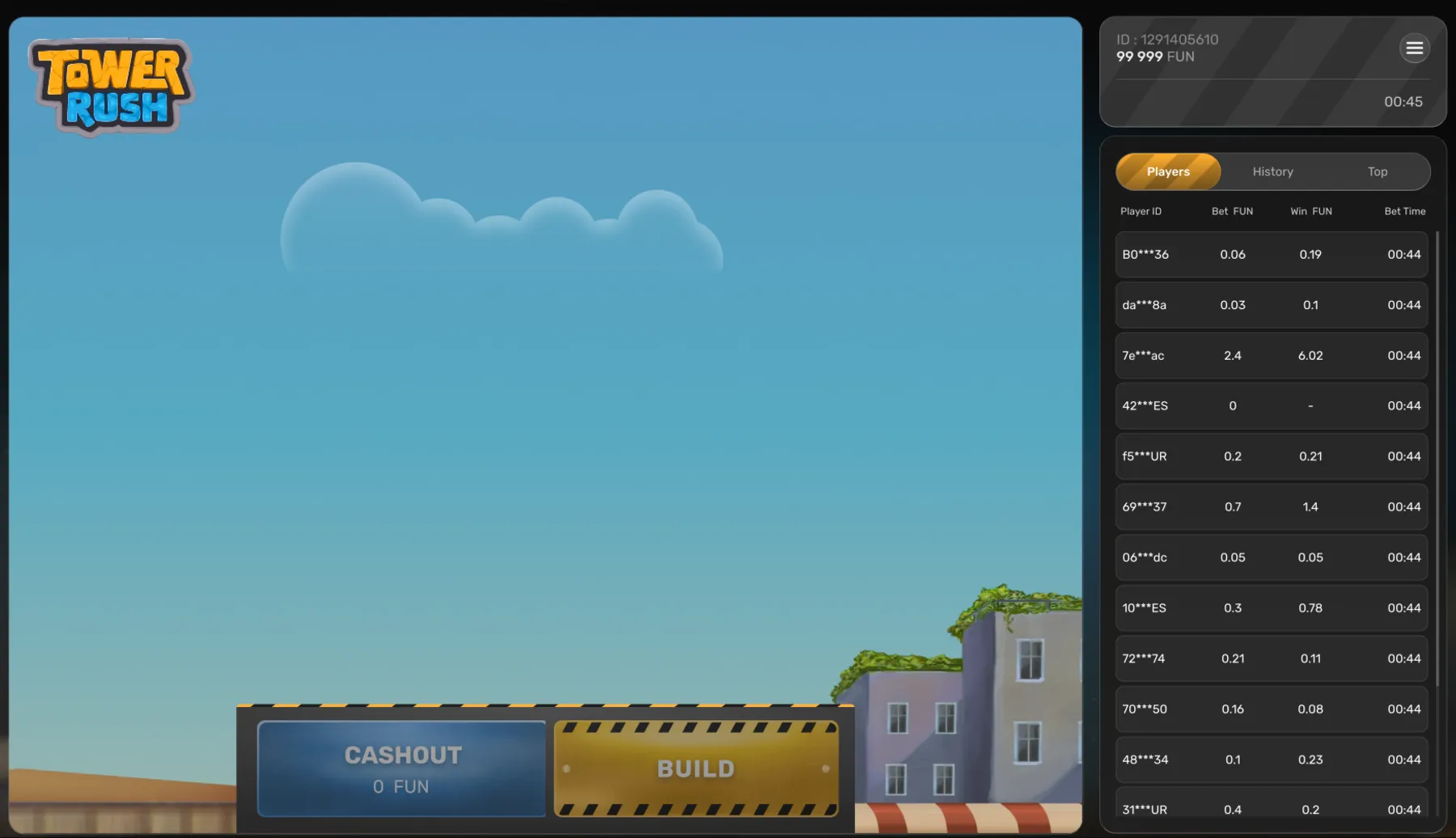
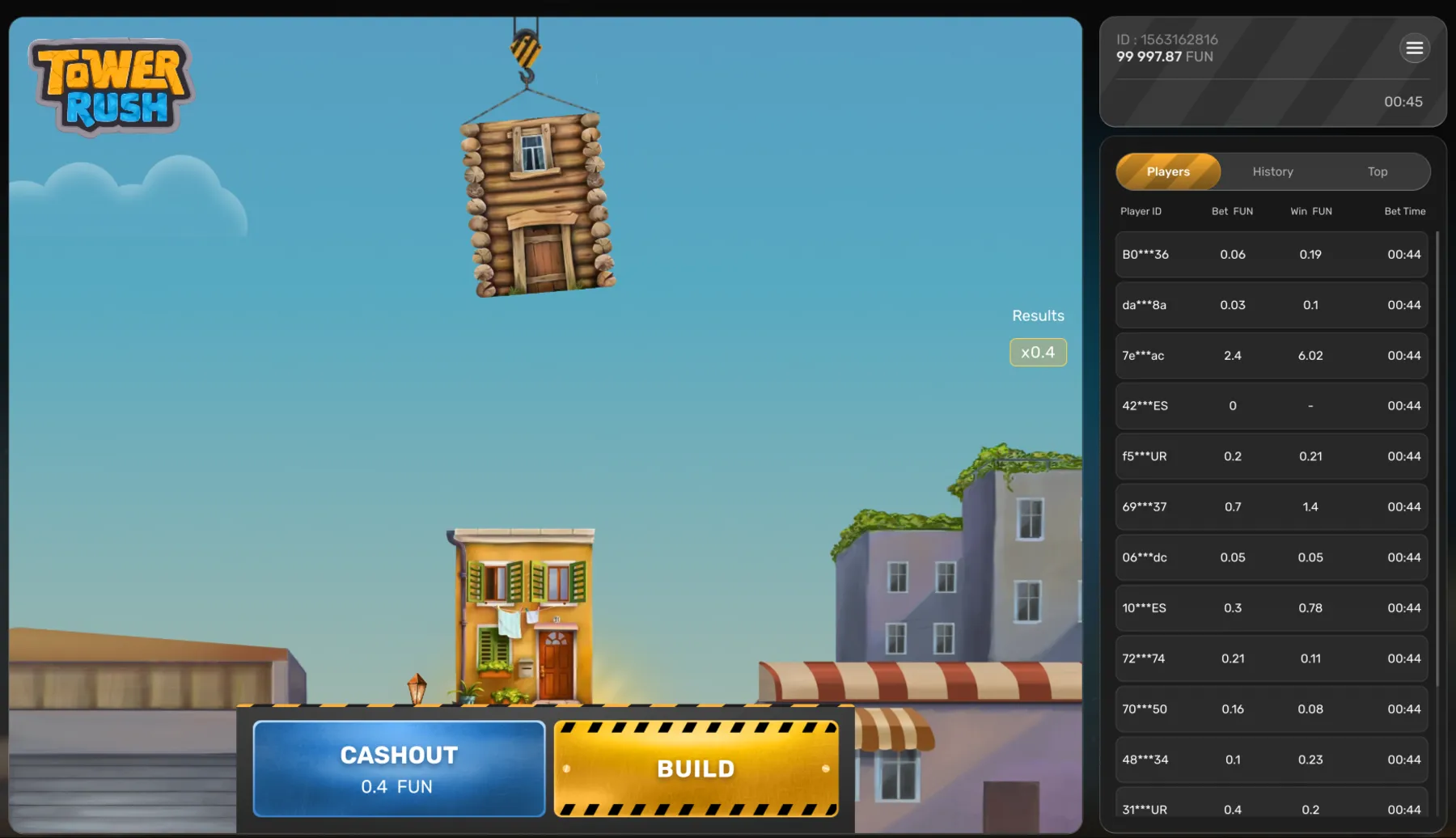
Demo play comes before every other step, so your testing now starts in the current official client instead of on their marketing page. We load the demo, note the play-money balance of 100,000 credits it grants, then run a recorded session at a fixed stake.
Nothing is skipped. Every round in a session goes into the written record. Nothing is ever reconstructed from memory afterwards.
That written record is what later turns into a score. The demo runs the same client an operator lobby loads, so it exposes the mechanics, the pace and the pressure points, including the decision timer, while the stake stays imaginary. Adults aged 18 years or over can open it without an account.
In Short, Before You Trust a Testing Score
Here's what a score on this site is worth: it's the product of a recorded play-money session plus a pile of documents, and nothing else. We've never deposited at any casino named here, and you'll see that limit repeated wherever it matters.
That limit is deliberate, and it is stated on every page. A demo can't measure the psychology of real money, so the score speaks to mechanics, fairness and sourcing, and the published band is where the long-run figure has to come from.
A session record lists the stake, the running total after each decision and the final result, and it takes about 10 minutes to repeat across all 19 pages of coverage. It is the only evidence that stands behind a sentence beginning with “in our testing”. The Tower Rush free demo page shows how a reader can repeat the same run in about 10 minutes.
What Should a Reader Check Before You Start?
Three checks are worth making before you start weighing a score, and each one is available without an account. Browse the provider game page first, then explore the range of regulator entries behind the licence code.
- Open the free demo and run one full round at the smallest stake.
- Read the current return band on the provider game page for yourself.
- Confirm the licence code in the register, according to the day you read it.
- Compare the operator game page with the provider figure before you deposit.
The same Galaxsys client turns up inside an operator lobby, so a reader needs about 10 minutes and 0 money for the check. Doing the four in advance is the fastest way to test this method instead of trusting it, and all 19 pages carry the date of their own last check.
What Demo Testing Cannot Show
Demo testing has a ceiling, and this is the honest shape of it. A session of 8 or 10 rounds is far too short to measure a long-run return, so the published band does that job instead.
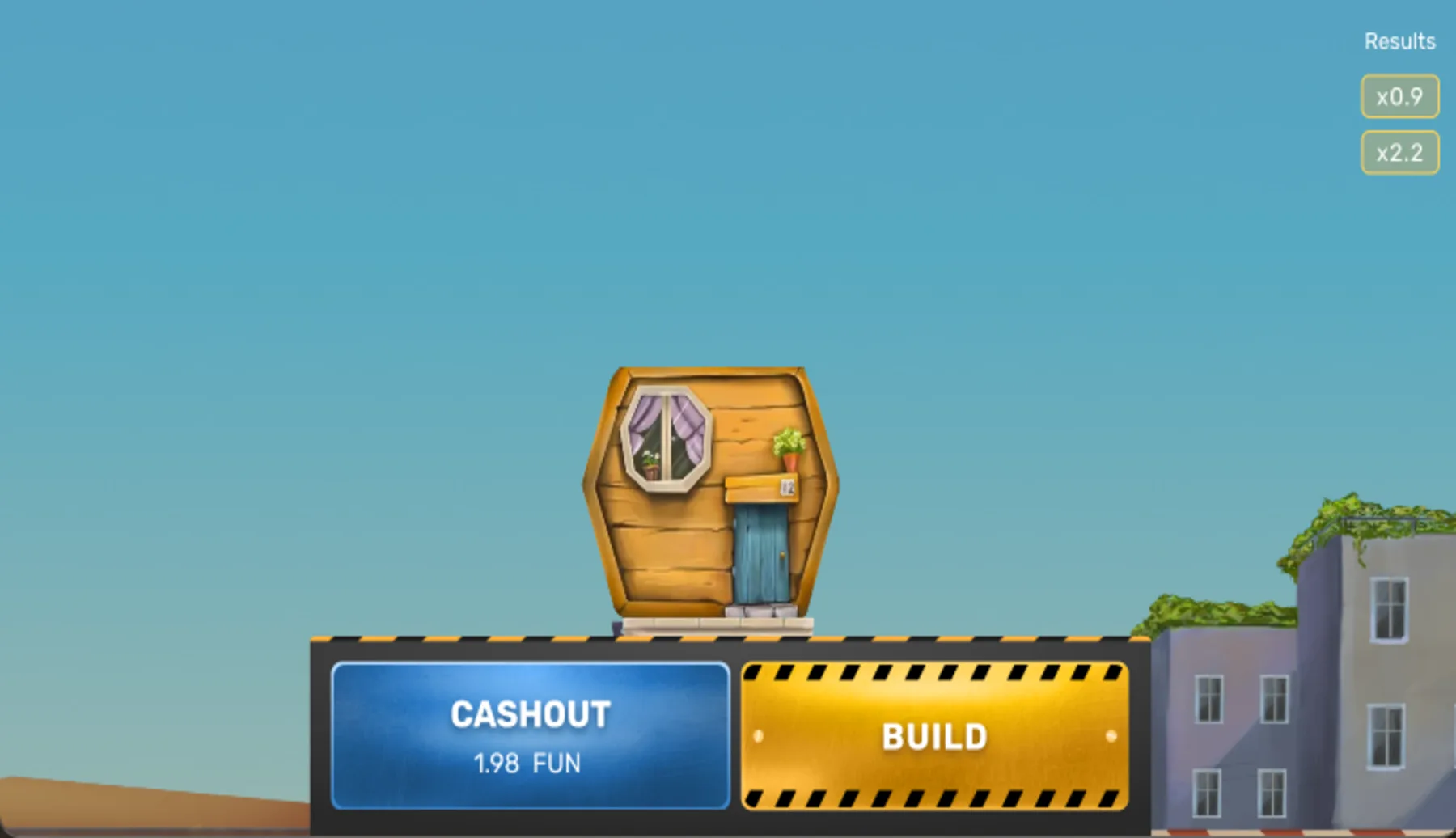
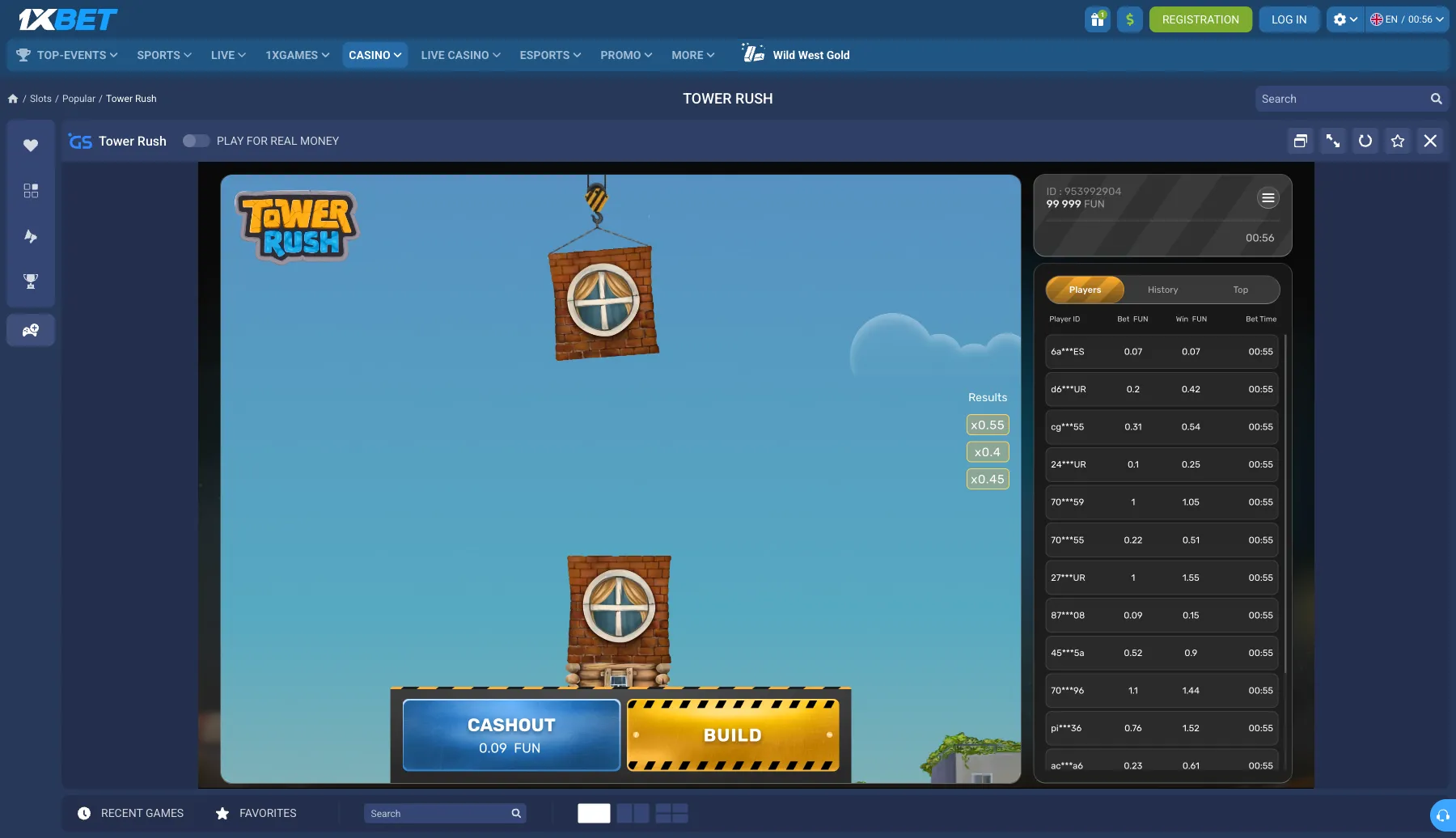
The recorded sessions of 26 and produced a Cashout reading of 1.98 Fun and floor results between x0.4 and x2.2. Those are observations, not statistics, and the page says so wherever they appear.
What Provable Fairness Covers
Where a game exposes a provably fair panel, a player can take the hash the client shows before a round and match it against the value revealed afterwards. That check belongs to the reader: our recorded sessions logged rounds, coefficients and screens, and we have not run a hash-and-reveal cycle ourselves.
Provable fairness and an independent laboratory certificate are two different assurances, so each page says which one exists. Galaxsys names ID Quantique quantum hardware behind its draws, and no named test laboratory covers this title.
What the Fairness Panel Leaves Out
A hash-and-reveal cycle covers a single round, and it says nothing about the long-run return of the game. The absence of a laboratory certificate is printed as an absence.
So the two assurances appear side by side instead of merged. The legitimacy review shows the same check applied end to end.
Sourced Numbers Quoted as Printed
Every number is sourced before it is printed, and the date of its check travels with it. Return, win coefficients and licence details come only from the provider material, the operator game page or a regulator register, and each figure keeps the shape they gave it.
Galaxsys publishes an operator-configurable band of 96.2% to 97.6%. Third-party catalogues print a narrower 96.12% to 97%, while 1xBet claims 96% to 98% on its own page. Those figures disagree, so the page shows the disagreement and never averages it away.
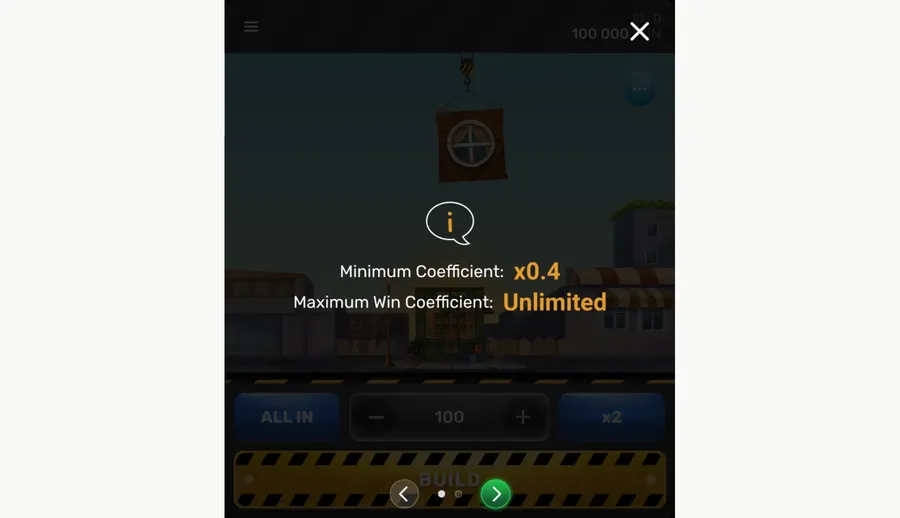
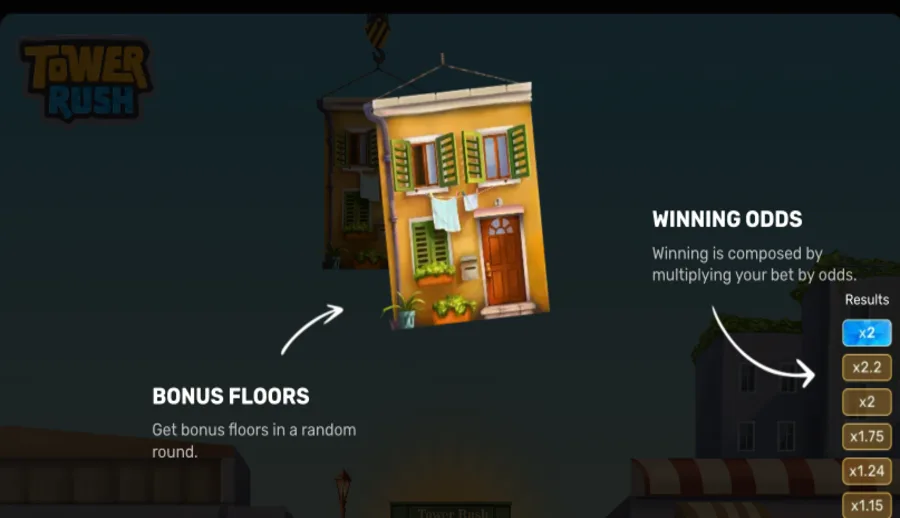
The same sourcing rule governs the win side of the game. The client info panel prints a maximum win coefficient of Unlimited and a minimum coefficient of x0.4, while third-party listings describe a 100x cash cap set by each operator. We invent no payment methods, bonuses, licences or multipliers, and the return reference page is the model for this rule.
Honest Cons from Every Testing Round
Every page names its downsides. Cons are mandatory on every page that carries a verdict. A testing round that finds nothing wrong was never a test, so the drawbacks are written before the verdict.
Every page carrying a verdict includes a real downsides section. Every page that carries a verdict has a real downsides section and, where it applies, a named alternative the editors would pick instead.
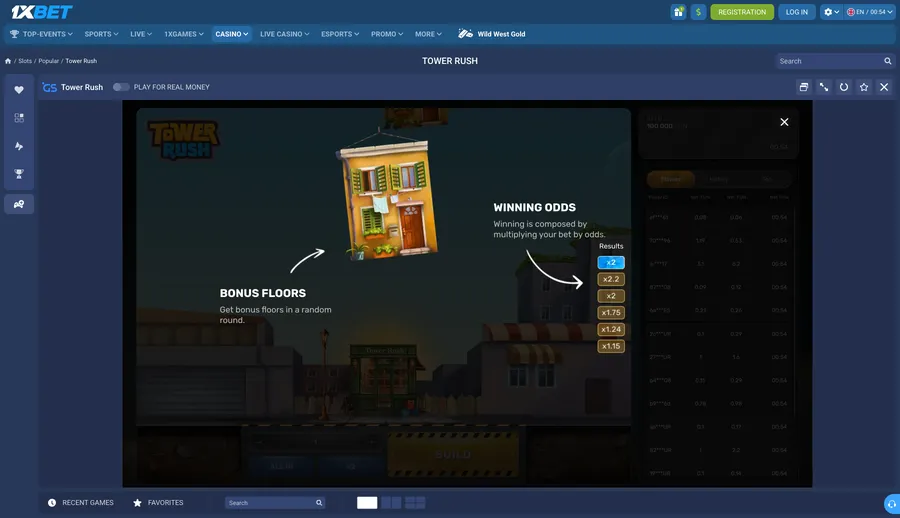
The drawbacks stay specific: unpublished volatility, unpublished odds behind the Frozen Floor, Temple Floor and Triple Build rounds, a decision window that punishes hesitation, an operator whose bonus terms exclude the game. We also name who should avoid the game, and that warning sits before the sponsored button instead of after it.
Scoring Out of 10 on 5 Criteria
Scores rest on 5 named criteria and run from 1 to 10: return and payouts, licence and RNG, bonus floors, round design, and the disclosure behind every number. A score of 7 or higher means the analyst would play the game again in the demo.
A score of 5 out of 10 or lower arrives with a named alternative. The figure appears in the first 100 words of a review and again in the verdict, so the result is never buried.
| Criterion | What is tested | Evidence accepted |
|---|---|---|
| Return and payouts | Return band, win coefficient, minimum outcome of a round | Provider game page, client info panel, session record |
| Licence and RNG | Hash-and-reveal cycle, supplier licence, named quantum hardware | Client panel, regulator register entry by number |
| Bonus floors | The rounds the client names, and whether their odds exist in public | Client tutorial overlay, provider game page |
| Round design | Controls, decision window, readability of the state | Recorded demo session, screenshots from that session |
| Disclosure | Whether every number traces to an open source | Named source beside each figure on the page |
What the Client and the Registers Provide
Galaxsys provides the demo client for this title. The client features a provably fair panel, with a hash shown before each round. Demo mode supports play money only, so nothing you hold is ever at stake.
The registers supply the licence half of the same picture. The Malta Gaming Authority requires every supplier to carry a numbered licence, and their entry names the company behind it. The UK Gambling Commission lists their account for the same studio, so you can read them side by side in a couple of minutes.
The provider offers no volatility rating at all. That missing figure is a genuine weakness in the public record, and their game page also leaves the bonus-floor odds out. You will see both gaps flagged instead of filled.
Which Criteria Decide a Score?
Our criteria are fixed before a game is opened, and they stay fixed whatever the result turns out to be. To verify a claim, the editors go back to the document that carries it, then quote the wording they find there rather than their impression of it.
Every page includes the source beside the figure it carries. Readers can follow the same trail, so they can open a document themselves, and you can disagree with a score while still trusting the numbers under it.
Where the Return Figures Disagree
The return figures disagree across sources, so the table sets each one beside the party that printed it, with no averaging. Readers can then weigh each claim against the party that made it.
| Source | Figure printed | How it is treated |
|---|---|---|
| Galaxsys game page | 96.2% to 97.6% | The provider band, operator-configurable; this is the figure quoted here |
| 1xBet game page | 96% to 98% | An operator claim, flagged as a disagreement wherever it appears |
| Third-party catalogues | 96.12% to 97% | Read for context, never quoted as a source |
What the Client Info Panel Prints
Its info panel carries two limits of its own, copied here exactly as they appear on screen. Nothing in the table is inferred from a third party.
| Field | Value as shown in the client |
|---|---|
| Maximum win coefficient | Unlimited |
| Minimum coefficient | x0.4 |
| Demo balance on load | 100,000 play-money credits |
| Stake range in the demo | 0.1 to 100 credits |
Operators Checked on Official Sites
Operators are checked on their official sites and on nothing else. A casino page is tested the same way a game page is: the editors open the operator game page, read the terms, then look the licence up in the regulator register.
Everything an operator prints goes down exactly as found. Betting limits, demo availability, deposit and withdrawal timings, mobile app availability and bonus rules go down exactly as found. 1xBet, for instance, prints a stake range of $0.10 to $100 on its own game page. Aggregator claims stay out, and a casino that resists verification simply gets no page here. Compared to a ranked list, that is slower, and other casinos are judged on their own documents rather than against a rival.
How Licence Regulation Is Confirmed
Regulation is confirmed by number instead of by badge. The Malta Gaming Authority lists supplier licence MGA/B2B/592/2018 held by Digitain (MT) Limited, the UK Gambling Commission carries account 63601, and the Curaçao Gaming Authority prints a separate code for the operators it licenses here.
- Licence status and number, read in the regulator register on the test date.
- Demo availability and stake range, read on the operator game page.
- Withdrawal timings, minimums and identity-check triggers, read in the operator terms.
- Bonus rules for this game, read in the bonus terms instead of the banner.
- Support channels and mobile app notes, taken from the operator help pages.
The operator pages say not confirmed wherever a figure resisted verification. That wording is deliberate, because a gap a reader can see beats a number nobody can trace.
Terms This Method Uses
- Recorded session
- A demo run written down round by round, with the stake, the running total and the final result of each decision.
- Provably fair
- A hash published before a round and revealed after it, which lets anyone confirm that the result was fixed in advance.
- Operator-configurable
- A setting a casino chooses inside a range the provider allows, which is why one figure can differ between two lobbies.
- Not confirmed
- What a page prints when no provider page, operator term or regulator register states the figure in question.
The Sessions on Record
Two sessions are on record, and every first-hand sentence on this site traces back to them. They were played in the official demo, never with a deposit.
| Session | Date | What the record holds |
|---|---|---|
| Session 1 | A cash-out at 1.98x, with floor results between x0.4 and x2.2 | |
| Session 2 | 26 to | Mobile info overlay, idle screens and a collapse, captured as frames |
2 Types of Testing Limit, Compared
The complete list of testing limits runs to 2 entries, and both shape every score here. Readers who weigh a verdict should read them before the verdict itself.
| Limit | Why it exists | What happens instead |
|---|---|---|
| No real-money play | Testing runs in the free demo, with no deposit at any casino | Withdrawal timings are quoted from the operator terms |
| Short sessions | A handful of rounds cannot measure a long-run average | The return band is quoted from Galaxsys, never computed here |
Does a Demo Round Prove Anything?
A demo round proves the mechanics and the fairness cycle, and it proves nothing about a long-run average. That is why the return band is quoted from the provider instead of measured here.
Readers can repeat any round themselves in about 10 minutes. They will meet the same controls, the same info panel and the same collapse behaviour our sessions recorded.
Recap: The 2 Limits of This Testing Method
Two limits shape this testing method, and the page names both out loud. If you want the short version, the provider band is the better figure to trust. The demo proves the rest. The first: testing happens in the demo instead of with real money, so withdrawal speed is quoted from the operator terms. The second: a handful of rounds says nothing reliable about a long run, which is why every return figure is quoted from Galaxsys.
Everything else on this page recaps in a sentence or two. Demo play comes first, the fairness panel is explained rather than claimed, sourced numbers are quoted as printed, cons sit beside the verdict, a game verdict scores 10 on 5 criteria while an operator score weighs 16, and operators are checked on official sites. All testing is done by the analyst who signs each page, and every page here is written for adults aged 18 or over.
Deposits and identity checks stay on the operator's own secure site.
Related Reading on This Game
More on this game, from the same section first: